
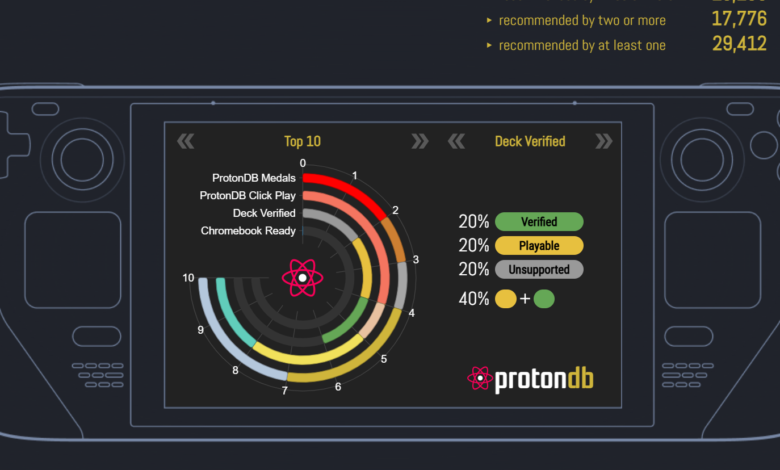
For years, PC gaming was heavily tied to Windows, leaving Linux users with limited options and frequent compatibility issues. However, the landscape has changed dramatically thanks to innovations like Proton, a compatibility layer developed by Valve Corporation. Alongside this progress, one platform has become indispensable for gamers seeking clarity about which titles run smoothly on Linux: ProtonDB.
This community-driven database acts as a bridge between gamers and real-world performance insights. Instead of relying on guesswork, players can now make informed decisions about whether their favorite games will run well on their Linux systems.
This guide explores everything you need to know—from how it works to why it has become a cornerstone of Linux gaming.
What Is ProtonDB?
ProtonDB is a public, user-powered database that collects reports from gamers who run Windows-based games on Linux using Proton. It provides ratings, performance notes, tweaks, and compatibility insights for thousands of titles.
Rather than being an official compatibility list, it reflects real experiences from users across different setups, hardware configurations, and Linux distributions.
Key Highlights
- Crowdsourced compatibility reports
- Ratings based on real-world performance
- Detailed user feedback and fixes
- Constantly updated with new data
In simple terms, it answers a critical question: “Will this game work on my Linux system?”
Understanding Proton and Its Role
To fully appreciate ProtonDB, it’s important to understand Proton itself.
Proton is a compatibility layer integrated into Steam that allows Windows games to run on Linux without requiring native ports. It builds upon technologies like Wine and DXVK to translate Windows API calls into Linux-friendly operations.
Why Proton Matters
- Eliminates the need for dual-booting Windows
- Expands the Linux gaming library dramatically
- Improves performance with Vulkan-based translation
Without Proton, ProtonDB wouldn’t exist—because there would be no standardized way to run Windows games on Linux at scale.
How ProtonDB Works
The platform thrives on community contributions. Users test games, submit reports, and assign ratings based on their experience.
Step-by-Step Process
- A user installs a game via Steam on Linux
- They run it using Proton
- They submit a report describing performance
- The report is aggregated into a rating system
What Each Report Includes
- System specifications (CPU, GPU, RAM)
- Proton version used
- Performance metrics (FPS, stability)
- Bugs or issues encountered
- Suggested fixes or tweaks
This approach ensures transparency and reliability, since multiple users can confirm or challenge each report.
ProtonDB Rating System Explained
One of the most useful aspects is its rating system. Each game is categorized based on how well it runs.
Rating Categories
| Rating | Meaning |
|---|---|
| Native | Runs natively on Linux without Proton |
| Platinum | Runs perfectly out of the box |
| Gold | Runs well with minor tweaks |
| Silver | Runs but may require noticeable adjustments |
| Bronze | Runs poorly with significant issues |
| Borked | Does not run at all |
Why Ratings Matter
- Helps users quickly assess compatibility
- Saves time troubleshooting
- Reduces risk before purchasing a game
For example, a Platinum-rated title usually requires no additional effort, while a Bronze-rated one might demand technical tinkering.
Key Features That Make ProtonDB Valuable
1. Community-Driven Insights
Unlike official documentation, ProtonDB reflects actual user experiences. This means:
- Real-world performance instead of theoretical compatibility
- Multiple perspectives across hardware setups
- Frequent updates as new patches and Proton versions release
2. Detailed Game Reports
Each entry includes rich information that goes beyond a simple “works” or “doesn’t work.”
Users often share:
- Launch options
- Configuration tweaks
- Workarounds for bugs
- Performance improvements
3. Search and Filtering Options
You can easily find games by:
- Name
- Rating
- Popularity
- Recent reports
This makes it convenient for both casual gamers and advanced users.
4. Integration with Steam Ecosystem
Because ProtonDB revolves around Steam, it naturally aligns with one of the largest gaming libraries in the world.
Benefits for Linux Gamers
1. Informed Purchasing Decisions
Before buying a game, users can check whether it runs well. This avoids wasting money on incompatible titles.
2. Troubleshooting Made Easy
If a game isn’t working, chances are someone has already faced—and solved—the same issue.
3. Expanding the Linux Gaming Library
By identifying compatible titles, ProtonDB effectively expands the playable catalog for Linux users.
4. Encouraging Developers
When developers see demand for Linux compatibility, they are more likely to optimize or officially support it.
Common Use Cases
Checking Game Compatibility
Before installing a new title, users can quickly verify whether it runs smoothly.
Fixing Performance Issues
If a game crashes or lags, browsing reports can provide instant solutions.
Testing New Proton Versions
Advanced users often experiment with different Proton builds and share results.
Tips for Using ProtonDB Effectively
To get the most out of the platform, consider these strategies:
Read Multiple Reports
- Don’t rely on a single review
- Look for patterns across several users
Match Hardware Specifications
- Focus on reports with similar CPU/GPU setups
- This gives a more accurate expectation
Check Recent Entries
- Compatibility can improve over time
- New Proton updates may fix older issues
Try Suggested Fixes
Common tweaks include:
- Launch commands
- Changing Proton versions
- Installing additional libraries
Challenges and Limitations
While ProtonDB is incredibly useful, it’s not perfect.
1. Variability in Results
Different hardware and distributions can lead to different outcomes.
2. Outdated Reports
Some entries may not reflect the latest Proton updates.
3. Technical Complexity
Certain fixes require command-line knowledge, which may be intimidating for beginners.
Despite these challenges, the benefits far outweigh the limitations.
ProtonDB vs Native Linux Gaming
It’s worth comparing Proton-based gaming with native Linux titles.
Native Games
- Built specifically for Linux
- Generally more stable
- No compatibility layer required
Proton-Based Games
- Much larger library
- May require tweaks
- Performance varies
ProtonDB helps bridge the gap by making Proton-based gaming more accessible and predictable.
The Role of the Community
The success of ProtonDB is deeply tied to its community.
Contributions Include
- Submitting reports
- Updating old entries
- Sharing fixes and guides
This collaborative model ensures that the database stays relevant and continuously improves.
Future of ProtonDB and Linux Gaming
The future looks promising.
With ongoing improvements from Valve and the growing popularity of devices like the Steam Deck, Linux gaming is gaining momentum.
Expected Developments
- Better compatibility for new titles
- Improved performance through Vulkan
- Increased developer support
- More detailed reporting systems
As the ecosystem evolves, ProtonDB will likely become even more essential.
Why ProtonDB Matters More Than Ever
Gaming is no longer restricted by operating systems. Tools like Proton and platforms like ProtonDB have democratized access, allowing Linux users to enjoy a vast library of games once considered out of reach.
It empowers users with knowledge, reduces frustration, and fosters a collaborative environment where gamers help each other succeed.
Conclusion
ProtonDB has transformed the way Linux users approach gaming. By offering real-world compatibility insights, detailed reports, and a robust rating system, it removes much of the uncertainty that once defined Linux gaming.
Whether you’re a beginner curious about switching from Windows or an experienced user fine-tuning your setup, this platform serves as an invaluable resource. It not only helps you choose the right games but also guides you through optimizing performance and solving issues.
As Linux gaming continues to grow, ProtonDB will remain at the heart of the experience—driven by its passionate community and supported by ongoing technological advancements.
In a world where flexibility and accessibility matter more than ever, ProtonDB stands as a powerful example of how collaboration and innovation can reshape an entire industry.